
Verified against court and regulatory records · No upfront fees · Your information is never sold
Qualification
Do You Qualify?
Eligibility checklist
- Youth or adult athlete who played regularly on crumb rubber artificial turf fields for one or more years
- Diagnosed with cancer — especially non-Hodgkin lymphoma, leukemia, testicular cancer, brain cancer, or other blood cancers — following a period of regular artificial turf exposure
- Soccer goalkeeper or player in a position involving frequent diving, sliding, or direct ground contact with crumb rubber surface
- Can document exposure through team records, league schedules, school enrollment, or personal documentation showing which fields were used and how often
- School, municipality, or sports organization that purchased artificial turf without adequate disclosure of crumb rubber or PFAS health risks
- Community or property owner affected by PFAS groundwater contamination traced to an artificial turf installation
Quick Eligibility Review
Answer one question at a time. This usually takes under 2 minutes.
Check your eligibility — free
Answer 2-3 quick questions to review your potential case.
Free · Confidential · About 2 minutes · A case specialist responds within 1 business day
Your answers are never sold or shared without your consent.
How it causes harm
How Artificial Turf Crumb Rubber Causes Cancer: Chemical Exposure Pathways
In plain language
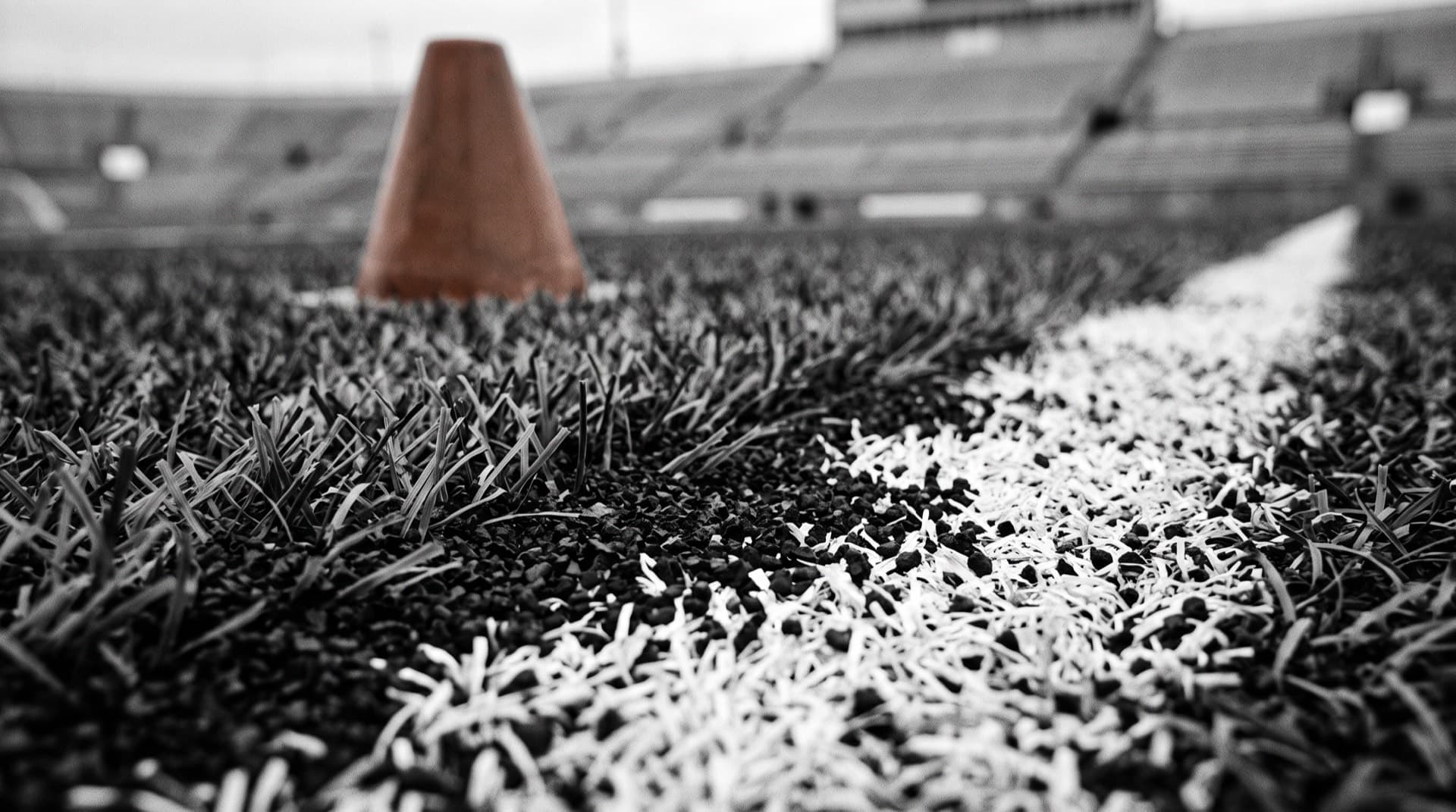
Artificial turf fields use infill made from crumb rubber — ground-up recycled tires — to cushion impacts and simulate the feel of natural grass. Independent chemical analyses have identified over 306 distinct chemicals in crumb rubber, including at least 52 known or suspected carcinogens. These chemicals include polycyclic aromatic hydrocarbons (PAHs), heavy metals (lead, cadmium, zinc, chromium), volatile organic compounds (VOCs including benzene and toluene), and per- and polyfluoroalkyl substances (PFAS, from turf blade coatings). Athletes — particularly youth soccer, football, and lacrosse players — are exposed to this chemical cocktail through three primary pathways: inhalation of volatile chemicals and particulate matter released from heated turf, ingestion of crumb rubber particles that enter the mouth during play, and dermal absorption through skin contact with rubber infill and turf surfaces. Field surface temperatures routinely exceed 150°F (65°C) on sunny days, dramatically increasing the volatilization and off-gassing of carcinogenic compounds. The University of Washington's investigation of a goalkeeper cancer cluster and Yale University's comprehensive chemical analysis have established the scientific foundation for growing concern about the cancer risk posed by crumb rubber turf fields.
Polycyclic Aromatic Hydrocarbon (PAH) Exposure
Crumb rubber contains high concentrations of polycyclic aromatic hydrocarbons — a class of chemicals formed during the vulcanization of tires and from the carbon black and petroleum-derived oils used in tire manufacturing. PAHs including benzo[a]pyrene, naphthalene, chrysene, and fluoranthene have been detected in crumb rubber at levels that exceed residential soil screening standards in many states. When turf surface temperatures rise above 120°F — which occurs routinely on sunny days — PAHs volatilize into the breathing zone of athletes, particularly those in ground-level positions such as soccer goalkeepers and football linemen. PAHs are classified as Group 1 (known) or Group 2A/2B (probable/possible) human carcinogens by IARC and are associated with cancers of the lung, bladder, skin, and blood (leukemia and lymphoma).
Heavy Metal Contamination (Lead, Cadmium, Zinc, Chromium)
Recycled tires contain heavy metals from tire manufacturing additives, road surface deposits, and brake dust accumulated during the tire's road life. Crumb rubber analyses have detected lead, cadmium, zinc, and hexavalent chromium at levels that raise health concerns, particularly for children and young athletes whose developing bodies are more susceptible to heavy metal toxicity. Lead is a known neurotoxicant with no safe level of exposure in children. Cadmium is classified as a Group 1 human carcinogen by IARC. Zinc concentrations in crumb rubber can be 100 to 1,000 times higher than background soil levels, and zinc leachate from turf fields has been documented contaminating stormwater and adjacent waterways.
Volatile Organic Compound (VOC) Off-Gassing
Crumb rubber releases volatile organic compounds including benzene, toluene, ethylbenzene, xylene (BTEX), methyl ethyl ketone, and 4-(tert-butyl)phenol. Benzene is a Group 1 human carcinogen known to cause leukemia and other blood cancers. VOC off-gassing from crumb rubber increases exponentially with temperature — field measurements have shown VOC concentrations over turf surfaces that are 2 to 5 times higher than ambient air during summer conditions. Indoor turf facilities, which lack natural ventilation, can accumulate VOCs to levels that exceed occupational exposure guidelines. Athletes exercising at high intensity on artificial turf have elevated respiratory rates, increasing their inhalation dose of VOCs per unit of body weight compared to resting exposure assessments.
PFAS Contamination from Turf Blade Coatings
Research published in 2019 and subsequent years has identified per- and polyfluoroalkyl substances (PFAS) — often called 'forever chemicals' — in artificial turf blade coatings. PFAS are used in manufacturing to reduce friction and improve durability of synthetic turf fibers. Studies have detected PFAS leaching from artificial turf into stormwater and groundwater at concentrations exceeding EPA health advisories. PFAS exposure is associated with kidney cancer, testicular cancer, thyroid disease, and immune system suppression. The combination of PFAS in turf blades and PAHs/metals in crumb rubber infill means that athletes are exposed to multiple classes of carcinogens simultaneously.
Three Exposure Pathways: Inhalation, Ingestion, Dermal
Athletes on artificial turf are exposed to crumb rubber chemicals through three simultaneous routes. Inhalation: volatilized PAHs, VOCs, and fine rubber particulate matter are inhaled during vigorous exercise, when respiratory rate and tidal volume are elevated. Ingestion: crumb rubber particles enter the mouth through hand-to-mouth contact, water bottle contamination, and direct ingestion during ground-level play — studies have documented crumb rubber particles in athletes' mouths, nostrils, ears, and wound abrasions. Dermal absorption: skin contact with heated turf surfaces and crumb rubber allows lipophilic chemicals (particularly PAHs) to absorb through the skin, especially through turf burns and abrasions that compromise the skin barrier. The cumulative effect of three simultaneous exposure pathways increases the total body burden of carcinogens beyond what any single-pathway risk assessment would predict.
Danger factors
- 306+ Chemicals Identified in Crumb Rubber: Independent analyses have identified over 306 chemicals in crumb rubber infill, including at least 52 known or suspected carcinogens. No comprehensive safety assessment has evaluated the combined effect of simultaneous exposure to this chemical mixture.
- 12,000+ Crumb Rubber Fields in the United States: An estimated 12,000 to 13,000 artificial turf fields with crumb rubber infill are installed across the U.S., predominantly at schools, parks, and youth athletic facilities where children and adolescents are the primary users.
- Surface Temperatures Exceeding 150°F: Artificial turf surface temperatures routinely reach 140-180°F on sunny days — dramatically hotter than natural grass (75-85°F) under the same conditions. These extreme temperatures accelerate the off-gassing of volatile carcinogens from crumb rubber.
- Youth Athletes at Highest Risk: Children and adolescents are more vulnerable to environmental carcinogens than adults due to higher respiratory rates per body weight, developing organ systems, longer remaining lifetime for cancer to develop, and more frequent ground-level contact with turf and infill during play.
Scientific consensus
- The EPA and ATSDR launched the Federal Research Action Plan on Recycled Tire Crumb in 2016 to study the potential health risks of crumb rubber turf fields after public concern escalated
- Yale University's 2019 comprehensive chemical analysis identified over 300 chemicals in crumb rubber, with multiple known carcinogens present at measurable concentrations
- The University of Washington investigation documented a statistically unusual cluster of cancer cases among soccer players, particularly goalkeepers, who had extensive exposure to crumb rubber fields
- California's Office of Environmental Health Hazard Assessment (OEHHA) has listed multiple chemicals found in crumb rubber under Proposition 65 as known carcinogens
- The European Union has proposed restricting PAH concentrations in rubber granules used in artificial turf, with the European Chemicals Agency (ECHA) recommending limits that would effectively require reformulation of crumb rubber infill
Why this matters for your case
The artificial turf cancer litigation targets the manufacturers and installers of crumb rubber turf fields — including FieldTurf, AstroTurf, and other industry participants — alleging that they knew or should have known about the carcinogenic chemicals in their products and failed to warn consumers, schools, municipalities, and athletes about the cancer risk. The litigation is supported by chemical analyses documenting hundreds of carcinogens in crumb rubber, epidemiological investigations of cancer clusters among turf-exposed athletes, and the industry's historical resistance to independent safety testing. For affected families — many of whom are parents of children who played on crumb rubber fields for years — the litigation seeks accountability for an industry that prioritized profits over the health of youth athletes.
Was your child diagnosed with cancer after playing on artificial turf fields? Get a free case evaluation today.
The carcinogenic mechanism for crumb rubber exposure operates through multiple pathways. Inhalation of volatile organic compounds — particularly benzene, a known human carcinogen (IARC Group 1) — delivers carcinogens directly to the respiratory epithelium and pulmonary alveoli, where rapid absorption into the bloodstream occurs. PAHs such as benzo(a)pyrene are metabolized by cytochrome P450 enzymes into reactive diol epoxide intermediates that form DNA adducts, initiating mutagenesis in hematopoietic stem cells. This mechanism is consistent with the disproportionate representation of blood cancers (non-Hodgkin lymphoma, leukemia) among exposed athletes. Dermal exposure through turf burn injuries provides a direct absorption pathway, bypassing first-pass metabolism and delivering chemicals including heavy metals (lead, cadmium, chromium VI) into subcutaneous tissue and the lymphatic system.
The dose-response relationship is critical to emerging litigation. Goalkeepers and defensive players who dive, slide, and have face-to-ground contact experience exposure rates orders of magnitude higher than standing field players. A goalkeeper during a single practice session may inhale more crumb rubber particulates than a midfielder does in an entire season. This differential exposure explains the clustering pattern in Amy Griffin's data and will be central to establishing specific causation in individual cases. The FRAP biomonitoring study's failure to find significant differences may reflect its limited sample size and short-term measurement window — it measured a single session, not cumulative years of daily training. Attorneys and expert witnesses in future litigation will likely argue that the FRAP design was inadequate to capture the chronic, cumulative exposure experienced by youth athletes who train on crumb rubber fields five to six days per week for years.
Was your child diagnosed with cancer after playing on artificial turf fields? Get a free case evaluation today.
Internal documents
Internal Documents & Evidence
Yale University 2019: Comprehensive Chemical Analysis of Crumb Rubber — 306 Chemicals, 52 Carcinogens
From the record
Researchers at Yale University and other academic institutions conducted comprehensive chemical analyses of crumb rubber infill collected from artificial turf fields across the United States. The analyses identified over 306 distinct chemical compounds in crumb rubber, including at least 52 that are classified as known or suspected human carcinogens by IARC, the National Toxicology Program, or EPA. Among the carcinogens detected were benzo[a]pyrene (Group 1 carcinogen), naphthalene (Group 2B), benzene (Group 1), cadmium (Group 1), and multiple additional PAHs, metals, and volatile organic compounds. The study also documented that chemical release from crumb rubber increases significantly with temperature, with surface temperatures on sunny days routinely exceeding 150°F.
ImpactThe Yale chemical analysis provides the scientific foundation for artificial turf cancer litigation by documenting the sheer number and potency of carcinogenic chemicals present in the product that children play on daily. The finding that crumb rubber contains 52+ carcinogens — many at levels exceeding residential soil screening standards — undermines industry claims that the product is safe and supports allegations that manufacturers failed to conduct adequate safety testing before marketing crumb rubber fields for youth athletics.
University of Washington Goalkeeper Cancer Cluster Investigation
From the record
Amy Griffin, an associate head soccer coach at the University of Washington, began documenting cancer cases among soccer players in 2014 after learning that several young goalkeepers she knew had been diagnosed with blood cancers. By 2017, Griffin had identified more than 200 soccer players diagnosed with cancer, with a striking overrepresentation of goalkeepers — the position with the most direct, prolonged contact with crumb rubber infill during diving saves, ground-level play, and exposure to infill particles entering the mouth, nose, and skin abrasions. The cancer types included non-Hodgkin lymphoma, leukemia, and other blood cancers consistent with PAH and benzene exposure. While the cluster has not been confirmed as statistically significant by a formal epidemiological study (due to the absence of a comprehensive turf exposure registry), the pattern prompted the EPA/ATSDR Federal Research Action Plan and brought national media attention to the issue.
ImpactThe UW goalkeeper cancer cluster is the most publicly recognized evidence linking artificial turf to cancer. While not a controlled epidemiological study, the cluster identified a biologically plausible pattern: goalkeepers have the highest crumb rubber exposure of any position (diving into infill, ingesting particles, absorbing chemicals through turf burns), and the cancer types observed are consistent with the carcinogens documented in crumb rubber chemical analyses. The investigation galvanized public concern, triggered federal research, and provides powerful narrative evidence in litigation.
PFAS Leaching from Artificial Turf: Forever Chemicals in Fields and Waterways
From the record
Testing by journalists, environmental organizations, and academic researchers detected per- and polyfluoroalkyl substances (PFAS) in artificial turf blade coatings and in stormwater runoff from turf fields. PFAS — known as 'forever chemicals' because they do not break down in the environment — are used in the manufacturing process of synthetic turf fibers to reduce friction and improve durability. PFAS have been detected leaching from artificial turf into adjacent soil and waterways at concentrations exceeding EPA health advisory levels. The presence of PFAS in artificial turf adds a second class of carcinogenic contamination (in addition to crumb rubber chemicals) to the exposure profile of turf field users. PFAS exposure is associated with kidney cancer, testicular cancer, thyroid disease, immunosuppression, and developmental effects in children.
ImpactThe PFAS contamination evidence expands the artificial turf litigation beyond crumb rubber infill to include the turf fibers themselves. This means that even fields installed with alternative (non-rubber) infill materials may still expose athletes to PFAS. The PFAS finding also implicates the turf manufacturing process and supply chain, potentially expanding the range of liable defendants. For communities that installed artificial turf fields near waterways or drinking water sources, the PFAS leaching evidence raises environmental contamination claims in addition to personal injury claims.
Regulatory actions
Regulatory Actions on Artificial Turf Crumb Rubber: Federal Research, State Settlements, and European Restrictions
The regulatory response to artificial turf health concerns has been characterized by delayed federal action, state-level litigation and settlements, and more aggressive European Union proposals to restrict carcinogenic chemicals in rubber granules. In the United States, the EPA and ATSDR launched a multi-year federal research program in 2016 but have not issued binding safety standards for crumb rubber. Meanwhile, California achieved a landmark settlement requiring chemical disclosure, and the EU has moved toward enforceable limits on PAH content in rubber infill.
The EPA, Agency for Toxic Substances and Disease Registry (ATSDR), and Consumer Product Safety Commission (CPSC) launched the Federal Research Action Plan on Recycled Tire Crumb Used on Playing Fields and Playgrounds. The multi-agency initiative was established in response to growing public concern about potential cancer risk from crumb rubber exposure, particularly among youth athletes. The research plan included characterization of chemicals in crumb rubber, exposure assessment studies, and evaluation of potential health effects. While the research generated valuable data, the agencies have not issued binding safety standards or exposure limits for crumb rubber as of 2025.
The EPA and ATSDR published preliminary results from the Federal Research Action Plan characterizing the chemical composition of crumb rubber and measuring exposures at synthetic turf fields. The report confirmed the presence of numerous chemicals of concern, including PAHs, metals, and VOCs, but the agencies stated that the findings were 'not sufficient to determine whether exposures pose a health risk.' Public health advocates criticized the conclusion as inadequately protective, noting that the research design did not evaluate cumulative multi-pathway exposure or the effects of simultaneous exposure to hundreds of chemicals.
California reached a settlement with turf manufacturers requiring disclosure of Proposition 65 chemicals in artificial turf products. The settlement addressed allegations that turf companies violated California's Safe Drinking Water and Toxic Enforcement Act by failing to warn consumers about known carcinogens and reproductive toxicants present in crumb rubber infill and synthetic turf products. Under the settlement, manufacturers were required to provide clear warnings about chemical content to purchasers.
FieldTurf (a subsidiary of Tarkett Sports) faced a class action lawsuit alleging that its artificial turf products were defective, degraded prematurely, and released crumb rubber particles into the environment at rates exceeding design specifications. The litigation included municipalities and school districts that had purchased FieldTurf systems at costs of $500,000 to $1 million per field. Settlement terms included replacement programs and financial compensation for affected field owners. While the class action focused primarily on product durability, the litigation generated discovery materials relevant to the health-related claims.
The European Chemicals Agency proposed restricting the concentration of eight polycyclic aromatic hydrocarbons in rubber granules (including crumb rubber used in artificial turf) to a combined limit of 20 mg/kg — a level significantly below current industry practice. The restriction, developed under the EU REACH regulation, would effectively require reformulation of crumb rubber infill or transition to alternative infill materials. The proposal was based on ECHA's assessment that PAH exposure from crumb rubber fields poses a non-negligible cancer risk, particularly for children. As of 2025, the restriction is moving through the EU regulatory process.
Several U.S. states have introduced or enacted legislation addressing artificial turf health concerns. Connecticut passed a law requiring disclosure of chemicals in crumb rubber used at public schools. New Jersey introduced legislation proposing a moratorium on new crumb rubber field installations at schools pending federal safety findings. Washington state, prompted by the University of Washington goalkeeper cancer cluster investigation, commissioned independent health assessments of turf field exposure. While no state has enacted an outright ban on crumb rubber turf, the legislative activity reflects growing concern at the state level.
Key takeaway
The regulatory landscape for artificial turf crumb rubber is defined by a gap between the volume of scientific evidence documenting carcinogenic chemicals in these products and the absence of enforceable U.S. safety standards. The EU has moved toward binding PAH limits, California has achieved disclosure settlements, and multiple states are considering restrictions — but the federal government has not issued protective standards despite a multi-year research program confirming the presence of dozens of carcinogens in crumb rubber used at fields where children play daily.
Corporate Impact
The Artificial Turf Industry: A $3 Billion Market Built on Recycled Tire Waste
The artificial turf industry in the United States has grown into a $3+ billion market, driven by sales of synthetic turf systems to schools, municipalities, parks departments, and professional sports facilities. The industry's adoption of crumb rubber infill — made from recycled tires — was promoted as both an environmental benefit (diverting tires from landfills) and a cost-effective performance solution. However, the industry's aggressive marketing to schools and youth athletic programs placed millions of children on fields containing hundreds of carcinogenic chemicals without conducting or disclosing comprehensive health risk assessments. Major industry players including FieldTurf (Tarkett Sports), AstroTurf, Shaw Sports Turf, and their trade association, the Synthetic Turf Council, have consistently downplayed health concerns and resisted independent safety testing.
U.S. artificial turf fields installed
12,000+
U.S. artificial turf industry value
$3B+
Chemicals identified in crumb rubber
306+
Recycled tires used annually for crumb rubber
~300M lbs
Average field installation cost
$500K-$1M+
Timeline: FieldTurf (Tarkett) / AstroTurf / Shaw Sports Turf / Synthetic Turf Council
Key events on the record
Crumb rubber from recycled tires adopted as the standard infill material for third-generation artificial turf fields, promoted as environmentally responsible tire diversion and cost-effective athletic surface.
Concerns about lead in artificial turf begin to surface after testing finds elevated lead levels in turf blade pigments at school fields in New Jersey and other states.
University of Washington soccer coach Amy Griffin begins documenting cancer cases among soccer players exposed to crumb rubber fields, identifying a cluster of cases predominantly among goalkeepers.
NBC News investigation and ESPN reporting bring national attention to the artificial turf cancer question; EPA/ATSDR launch Federal Research Action Plan in response to public pressure.
California AG reaches Proposition 65 settlement requiring chemical disclosure on turf products; FieldTurf faces class action over defective products.
Yale University publishes comprehensive chemical analysis identifying 306 chemicals in crumb rubber, including 52 known or suspected carcinogens — providing the most complete chemical characterization to date.
European Union proposes binding PAH limits in rubber granules that would effectively require reformulation of crumb rubber infill; U.S. has no equivalent standard.
Growing litigation from affected athletes and families; industry faces product liability, failure to warn, and consumer protection claims in multiple jurisdictions.
Was your child diagnosed with cancer after playing on artificial turf fields? Get a free case evaluation today.
Deadlines & venues
Deadlines & Venues by State
Keep reading
Explore This Litigation
Artificial Turf Cancer Lawsuit lawsuits by state
Stay informed
Get free updates on the Artificial Turf Cancer litigation as it develops
No phone call required. We will email you when there is meaningful news — new filings, settlements, or important deadlines.
Sources & References
- Celeiro M, Dagnac T, Llompart M. Determination of priority and other hazardous substances in football fields of artificial turf, Environmental Research, 2019 — https://pmc.ncbi.nlm.nih.gov/articles/PMC6396308/
- Pavilonis BT, Weisel CP, Buckley B, Lioy PJ. Bioaccessibility and Risk of Exposure to Metals and SVOCs in Artificial Turf Field Fill Materials and Fibers, Risk Analysis, 2014 — https://pubmed.ncbi.nlm.nih.gov/24673082/
- EPA/ATSDR Federal Research Action Plan on Recycled Tire Crumb Used on Playing Fields and Playgrounds, Part 1 (2019) and Part 2 (2024) — https://www.epa.gov/chemical-research/federal-research-recycled-tire-crumb-used-playing-fields-and-playgrounds
- California Attorney General Settlement: Beaulieu and FieldTurf lead reduction, 2010 — https://oag.ca.gov/news/press-releases/brown-reaches-settlement-reduce-childrens-lead-exposure-artificial-turf
- FieldTurf Duraspine Class Action Settlement, U.S. District Court (>$50M, 1,200+ class members) — https://fieldturfclassaction.com/
- Yale School of Public Health, Vasiliou Lab, Human Exposure to Chemicals in Artificial Turf Research — https://medicine.yale.edu/lab/vasiliou/projects/crumb-rubber/
- Mount Sinai Institute for Exposomic Research, Position Statement on Artificial Turf Surfaces — https://mountsinaiexposomics.org/position-statement-on-the-use-of-artificial-turf-surfaces/