
Verified against court and regulatory records · No upfront fees · Your information is never sold
Qualification
Do You Qualify?
Eligibility checklist
- You lived, worked, or attended school in River Rouge, Ecorse, Southwest Detroit, Lincoln Park, Melvindale, or other communities within approximately 3 miles of Zug Island
- You were exposed to emissions from the EES Coke Battery facility for a sustained period
- You developed asthma, COPD, chronic bronchitis, or other respiratory disease during or after your exposure
- You suffered a heart attack, stroke, or other cardiovascular event potentially linked to long-term pollution exposure
- You have medical records documenting your respiratory or cardiovascular condition
- A family member died from respiratory or cardiovascular disease potentially linked to Zug Island emissions
Quick Eligibility Review
Answer one question at a time. This usually takes under 2 minutes.
Check your eligibility — free
Answer 2-3 quick questions to review your potential case.
Free · Confidential · About 2 minutes · A case specialist responds within 1 business day
Your answers are never sold or shared without your consent.
How it causes harm
How Coke Oven Emissions From Zug Island Cause Respiratory and Cardiovascular Disease
In plain language
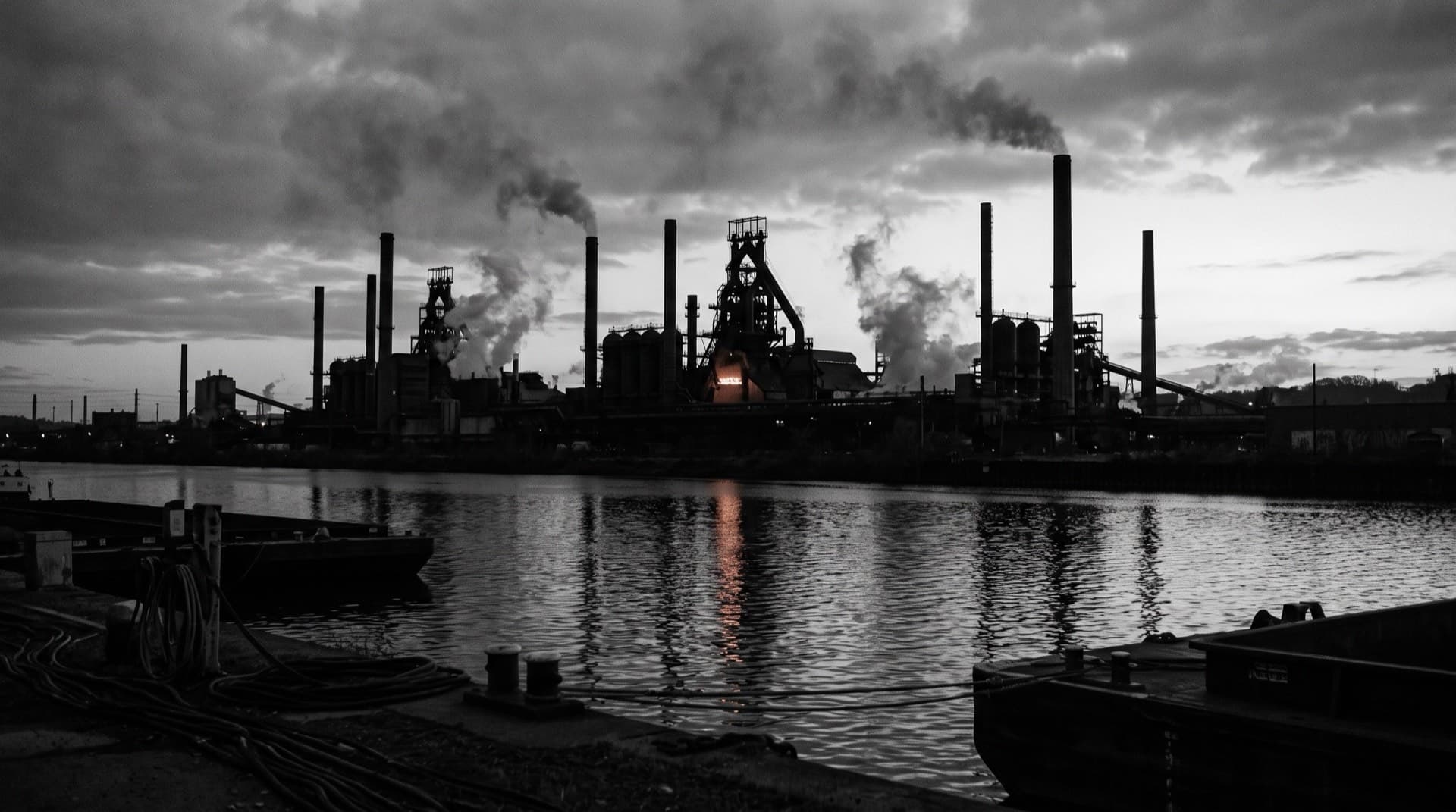
The EES Coke Battery facility on Zug Island in River Rouge, Michigan produces metallurgical coke by heating coal to extreme temperatures in industrial ovens. This coking process releases a complex mixture of toxic air pollutants — dominated by sulfur dioxide (SO2), fine particulate matter (PM2.5), hydrogen sulfide (H2S), and polycyclic aromatic hydrocarbons (PAHs) — at concentrations that have far exceeded Clean Air Act permitted limits for years. In February 2026, the EPA and DOJ imposed a $100 million penalty on EES Coke Battery LLC for these violations, one of the largest Clean Air Act penalties ever assessed. The surrounding Downriver communities — River Rouge, Ecorse, Southwest Detroit, Lincoln Park, and Melvindale — are predominantly Black and low-income, and have experienced elevated rates of asthma, COPD, cardiovascular disease, and premature death that epidemiological evidence links to chronic exposure to industrial air pollution. The mechanisms by which coke oven emissions cause disease are well-established in peer-reviewed toxicological and epidemiological literature, and the EPA's own Integrated Science Assessments for SO2 and PM2.5 confirm causal relationships between these pollutants and serious respiratory and cardiovascular outcomes.
Sulfur Dioxide-Induced Bronchoconstriction and Airway Inflammation
When inhaled, SO2 dissolves in the moisture lining the respiratory tract to form sulfurous acid (H2SO3), causing immediate irritation and inflammation of the airways. Even at concentrations as low as 0.2 to 0.5 parts per million, SO2 triggers bronchoconstriction — a tightening of the smooth muscles surrounding the bronchial tubes that narrows the airways and restricts airflow. In individuals with asthma, this response is rapid and severe, often requiring emergency bronchodilator treatment. Chronic exposure to elevated SO2 levels causes sustained airway inflammation, mucus hypersecretion, and progressive damage to bronchial epithelial cells, leading to the development or worsening of chronic bronchitis and COPD. The EES Coke Battery facility's SO2 emissions exceeded permitted levels for years, subjecting nearby residents to chronic exposures well above the EPA's National Ambient Air Quality Standards (NAAQS) threshold of 75 parts per billion (1-hour average).
Fine Particulate Matter (PM2.5) Deep Lung Penetration and Systemic Inflammation
The coking process generates fine particulate matter with an aerodynamic diameter of 2.5 micrometers or less (PM2.5). These particles are small enough to bypass the body's natural filtration mechanisms in the nose and upper airways and penetrate deep into the alveoli — the tiny air sacs where gas exchange occurs. Once deposited in the lungs, PM2.5 triggers an inflammatory cascade that includes the release of pro-inflammatory cytokines, oxidative stress, and activation of the immune system. Crucially, ultrafine particles can cross the alveolar membrane and enter the bloodstream, producing systemic inflammation that damages blood vessel linings (endothelium), promotes atherosclerosis, destabilizes arterial plaques, and increases the risk of heart attacks and strokes. The American Heart Association has classified PM2.5 exposure as a causal factor in cardiovascular morbidity and mortality.
Hydrogen Sulfide Neurotoxicity and Respiratory Depression
Hydrogen sulfide (H2S) is a toxic gas with a characteristic rotten-egg odor that is released during the coking process when sulfur-containing compounds in coal are thermally decomposed. At low concentrations, H2S irritates the eyes and upper respiratory tract. At moderate concentrations (10-50 ppm), it causes headaches, dizziness, nausea, and impaired cognitive function. At higher concentrations, H2S acts as a chemical asphyxiant by inhibiting cytochrome c oxidase in the mitochondrial electron transport chain — the same mechanism as cyanide — blocking cellular respiration. Chronic low-level exposure to H2S in communities near coke oven facilities has been associated with increased rates of headache, fatigue, respiratory symptoms, and neurological complaints. H2S also converts to sulfur dioxide in the atmosphere, compounding the SO2 burden on nearby communities.
Polycyclic Aromatic Hydrocarbon (PAH) Carcinogenesis and Mutagenesis
Coke oven emissions are classified as a Group 1 carcinogen by the International Agency for Research on Cancer (IARC). The PAHs released during coking — including benzo[a]pyrene, naphthalene, anthracene, and pyrene — are metabolized in the body to reactive epoxide intermediates that bind to DNA, forming adducts that cause mutations in critical tumor suppressor genes (notably p53) and oncogenes. Occupational studies of coke oven workers have demonstrated significantly elevated rates of lung cancer, bladder cancer, and kidney cancer. Community-level studies near coke oven facilities have found elevated cancer incidence in surrounding neighborhoods, particularly for lung and respiratory tract cancers. While cancer risk from community-level PAH exposure is lower than occupational exposure, the cumulative effect of decades-long residential exposure to Zug Island emissions compounds this risk substantially.
Synergistic Multi-Pollutant Exposure and Cumulative Health Burden
The toxicity of Zug Island emissions cannot be evaluated by considering each pollutant in isolation. SO2 and PM2.5 have synergistic effects on the respiratory system: SO2-induced airway inflammation increases the permeability of the bronchial epithelium, allowing PM2.5 particles to penetrate deeper into lung tissue and enter the bloodstream more readily. PM2.5 particles carrying adsorbed PAHs deliver carcinogenic compounds directly to lung cells. H2S further impairs respiratory function, reducing the body's ability to clear particulates and repair damaged tissue. The cumulative burden of simultaneous exposure to multiple pollutants over years or decades produces health outcomes — including severe COPD, heart failure, and lung cancer — that exceed what would be predicted from exposure to any single pollutant alone. This multi-pollutant synergy is central to understanding why Downriver communities near Zug Island experience disproportionately high rates of respiratory and cardiovascular disease.
Danger factors
- Proximity to Residential Areas: The EES Coke Battery facility is located directly adjacent to the residential neighborhoods of River Rouge (population approximately 7,000) and within 2-3 miles of Ecorse, Southwest Detroit, Lincoln Park, and Melvindale — placing tens of thousands of residents within the facility's primary pollution dispersion zone.
- Chronic Permit Exceedances: The facility's SO2 emissions exceeded Clean Air Act permitted levels for years, meaning nearby residents were exposed to concentrations far above what the regulatory system deemed safe — a fact confirmed by the EPA's $100 million enforcement action in February 2026.
- Environmental Justice Demographics: The affected communities are predominantly Black and low-income, with pre-existing health disparities including higher baseline rates of asthma, diabetes, and cardiovascular disease — conditions that make residents more vulnerable to additional pollution-related harm.
- Century of Industrial Contamination: Zug Island has hosted heavy industry since the early 1900s, and current residents face cumulative exposure to pollution from not only the coke battery but also historical contamination from steel mills, blast furnaces, and other industrial operations on and near the island.
- Inadequate Monitoring and Enforcement: For decades, air quality monitoring infrastructure in the Downriver communities was insufficient to fully capture the extent of SO2 and PM2.5 exposure, allowing the facility to operate above permitted levels without immediate detection and enforcement.
Scientific consensus
- The EPA's Integrated Science Assessment for SO2 (2017) classifies the relationship between short-term SO2 exposure and respiratory morbidity as 'causal,' confirming that SO2 directly causes asthma exacerbations, decreased lung function, and increased respiratory symptoms.
- The American Heart Association's Scientific Statement on PM2.5 and Cardiovascular Disease (2010, updated 2020) classifies fine particulate matter exposure as a 'causal' factor in cardiovascular morbidity and mortality, including heart attacks, strokes, and cardiovascular death.
- The International Agency for Research on Cancer (IARC) classifies coke oven emissions as Group 1 — carcinogenic to humans — based on sufficient evidence of cancer in both occupational and community exposure settings.
- Michigan Department of Health and Human Services data show that Wayne County — which encompasses the Downriver communities surrounding Zug Island — has asthma hospitalization rates approximately 40% above the state average and cardiovascular mortality rates significantly above national benchmarks.
- The EPA's EJScreen tool identifies River Rouge and surrounding Downriver communities as being in the 90th+ percentile nationally for environmental justice indicators including PM2.5 exposure, proximity to hazardous waste sites, and low-income population percentage.
Why this matters for your case
The EPA's $100 million penalty against EES Coke Battery LLC provides a powerful evidentiary foundation for individual personal injury claims. The consent decree establishes that the facility violated Clean Air Act emission limits — meaning the facility was emitting pollutants at levels the federal government determined to be unlawful. This regulatory finding significantly simplifies the causation analysis in individual cases: plaintiffs do not need to independently prove that the facility was emitting excessive pollution, because the EPA has already made that determination. The remaining causation question — whether a specific plaintiff's health condition was caused or substantially contributed to by exposure to those excess emissions — can be addressed through epidemiological evidence, medical expert testimony linking the plaintiff's condition to SO2 and PM2.5 exposure, and geographic proximity analysis demonstrating that the plaintiff lived within the facility's pollution dispersion footprint during the relevant period. The combination of regulatory enforcement findings, well-established pollutant toxicology, and environmental justice demographics makes Zug Island pollution claims among the strongest environmental personal injury cases currently available.
Were you exposed to Zug Island pollution and developed health problems? Get a free case evaluation today.
Were you exposed to Zug Island pollution and developed health problems? Get a free case evaluation today.
Internal documents
Internal Documents & Evidence
EPA/DOJ Consent Decree: $100 Million Penalty and Emission Control Requirements for EES Coke Battery LLC
From the record
The consent decree entered in February 2026 details the specific Clean Air Act violations committed by EES Coke Battery LLC at the Zug Island facility. The document establishes that the facility's sulfur dioxide emissions exceeded permitted levels under its Renewable Operating Permit on numerous occasions over an extended period. The consent decree includes detailed findings on the magnitude and duration of the emission exceedances, the deficiencies in the facility's air pollution control equipment, and the failure of the facility's operating procedures to prevent excess emissions. The decree requires EES Coke to pay a $100 million civil penalty, implement specified emission control upgrades within defined timelines, achieve and maintain compliance with stringent new SO2 emission limits, conduct enhanced ambient air quality monitoring in surrounding communities, and establish a $20 million community benefit fund for environmental justice investments in River Rouge, Ecorse, and Southwest Detroit.
ImpactThe consent decree is the single most important piece of evidence for individual personal injury claims related to Zug Island pollution. It establishes as a matter of federal government finding that the facility violated Clean Air Act emission limits — meaning individual plaintiffs do not need to independently prove that the facility was emitting unlawful levels of SO2. The consent decree's detailed findings on the magnitude, duration, and nature of the emission exceedances provide the factual foundation for medical causation experts to opine on whether specific health conditions in nearby residents were caused by exposure to the facility's excess emissions. The decree is a public record and is admissible in civil litigation.
EPA and Michigan EGLE Air Quality Monitoring Data: SO2 Concentrations Near Zug Island Exceeding NAAQS
From the record
Ambient air quality monitoring data from EPA and EGLE monitoring stations near Zug Island document sulfur dioxide concentrations that repeatedly exceeded the National Ambient Air Quality Standards (NAAQS) 1-hour standard of 75 parts per billion (ppb). The monitoring data show peak 1-hour SO2 concentrations well above the NAAQS threshold during coking operations, with exceedances most frequent during periods of high production and adverse meteorological conditions (low wind speed, atmospheric inversions) that trapped pollutants near ground level in residential areas. The monitoring data also document elevated PM2.5 concentrations in the Downriver area, with contributions from the EES Coke Battery facility and other industrial sources on and near Zug Island. EGLE's analysis of wind direction and emission source attribution identified the EES Coke Battery facility as the dominant contributor to SO2 exceedances at the nearest monitoring station.
ImpactThe air quality monitoring data provide objective, government-collected evidence of the pollutant concentrations that nearby residents were actually breathing. This data bridges the gap between the facility's emission rates (documented in the consent decree) and the actual exposure experienced by community members. Medical experts can use the monitoring data — combined with a plaintiff's residential address and duration of residence — to estimate individual exposure levels and correlate those exposures with the plaintiff's health outcomes. The monitoring data are public records maintained by EPA and EGLE and are routinely used as evidence in environmental personal injury litigation.
Community Health Surveys and Environmental Justice Documentation: Respiratory and Cardiovascular Disease in Downriver Communities
From the record
Multiple sources document the disproportionate burden of respiratory and cardiovascular disease in the Downriver communities surrounding Zug Island. Michigan DHHS data show that Wayne County's asthma hospitalization rate is approximately 40% above the state average, with the highest rates concentrated in zip codes adjacent to Zug Island. Emergency department visits for respiratory distress and asthma exacerbations are significantly elevated in River Rouge and Ecorse compared to demographically similar communities without major industrial SO2 sources. University of Michigan School of Public Health researchers conducting community health assessments in the Downriver area have documented residents' reports of chronic respiratory symptoms (persistent cough, wheezing, shortness of breath), frequent asthma attacks, and cardiovascular events that residents attribute to industrial air pollution. EPA EJScreen data confirm that River Rouge and Ecorse rank in the 90th+ percentile nationally for environmental justice indicators including PM2.5 exposure, respiratory hazard proximity, and low-income population percentage.
ImpactCommunity health data and environmental justice documentation serve multiple functions in Zug Island pollution litigation. First, they establish that the affected communities experience health outcomes consistent with chronic SO2 and PM2.5 exposure — supporting the general causation argument that the facility's emissions cause the types of health conditions observed in the community. Second, they demonstrate the environmental justice dimension of the case, which may influence jury sympathy and judicial attention. Third, for individual plaintiffs, community-level health data provide context for their personal claims — a plaintiff with COPD who lived in a zip code with asthma hospitalization rates 40% above the state average near a facility that violated SO2 emission limits has a compelling narrative that connects facility emissions to community health outcomes to individual injury.
Regulatory actions
Regulatory Enforcement Against EES Coke Battery and Zug Island: From State Violations to Historic Federal Penalty
The regulatory history of the EES Coke Battery facility on Zug Island reflects decades of environmental violations, community complaints, and escalating enforcement actions culminating in the February 2026 EPA/DOJ $100 million penalty — one of the largest Clean Air Act penalties ever assessed. The enforcement record spans Michigan state agency actions by EGLE (formerly MDEQ), EPA regional investigations, and ultimately a federal consent decree that required both financial penalties and operational changes. This regulatory timeline is central to Zug Island pollution litigation because it establishes a documented, government-validated record of unlawful emissions that harmed surrounding communities — eliminating the need for individual plaintiffs to independently prove that the facility was emitting dangerous levels of pollution.
$100 Million Clean Air Act Penalty Against EES Coke Battery LLC
In February 2026, the EPA and U.S. Department of Justice imposed a $100 million civil penalty against EES Coke Battery LLC — a DTE Energy subsidiary — for systematic violations of Clean Air Act SO2 emission limits at the Zug Island coke oven facility in River Rouge, Michigan. The penalty is one of the largest ever assessed under the Clean Air Act. The consent decree requires EES Coke to implement comprehensive emission control upgrades, maintain compliance with stringent new SO2 emission limits, and conduct enhanced air quality monitoring in surrounding communities.
$20 Million Community Benefit Fund for Environmental Justice Investments
As part of the February 2026 consent decree, EES Coke Battery LLC was required to establish a $20 million community benefit fund for environmental justice investments in River Rouge, Ecorse, and Southwest Detroit. The fund will support air quality monitoring infrastructure, community health screenings, respiratory health programs, and neighborhood environmental improvements in the communities most affected by the facility's emissions. The inclusion of an environmental justice community benefit fund reflects the EPA's growing emphasis on ensuring enforcement actions deliver tangible benefits to overburdened communities.
Violation Notices for SO2 Emission Exceedances at EES Coke Battery
The Michigan Department of Environment, Great Lakes, and Energy (EGLE, formerly MDEQ) issued multiple violation notices to EES Coke Battery LLC for exceedances of SO2 emission limits established in the facility's Renewable Operating Permit under the Clean Air Act. State air quality monitoring data showed that the facility's SO2 emissions repeatedly exceeded hourly and daily limits during normal coking operations. EGLE's violation notices initiated the state-level enforcement process that eventually escalated to federal EPA involvement.
EPA Clean Air Act Compliance Investigation of EES Coke Battery Facility
EPA Region 5 initiated a comprehensive Clean Air Act compliance investigation of the EES Coke Battery facility following referral from EGLE and community complaints about air quality in the Downriver area. The investigation included stack testing, ambient air monitoring, review of continuous emission monitoring system (CEMS) data, and analysis of the facility's compliance history. EPA investigators documented a pattern of SO2 emissions far exceeding permitted levels, along with deficiencies in the facility's air pollution control equipment and operating procedures. This investigation formed the factual basis for the subsequent $100 million enforcement action.
EPA EJScreen Designation: River Rouge in 90th+ Percentile for Environmental Justice Indicators
The EPA's EJScreen environmental justice mapping tool designated River Rouge and surrounding Downriver communities as being in the 90th percentile or above nationally for multiple environmental justice indicators, including PM2.5 exposure, proximity to hazardous waste facilities, traffic-related pollution, and percentage of low-income population. This designation supported the EPA's decision to prioritize enforcement at the Zug Island facility as an environmental justice case and to include the $20 million community benefit fund in the consent decree.
Michigan Clean Air Act Amendments: Enhanced Monitoring Requirements for Industrial SO2 Sources
Michigan adopted enhanced air quality monitoring requirements for major industrial SO2 sources following years of community advocacy in the Downriver region. The new requirements expanded the network of ambient air quality monitors near major industrial facilities and mandated more frequent reporting of emissions data. These monitoring improvements contributed to the detection and documentation of the EES Coke Battery facility's emission exceedances and provided critical data for the EPA's subsequent enforcement investigation.
EPA SO2 National Ambient Air Quality Standards (NAAQS) Revision
The EPA strengthened the National Ambient Air Quality Standards (NAAQS) for SO2, establishing a new 1-hour standard of 75 parts per billion (ppb) to protect public health — particularly the health of people with asthma and other respiratory conditions. The revised standard replaced the prior 24-hour and annual standards and was specifically designed to prevent the kind of peak SO2 exposures that trigger bronchoconstriction and asthma attacks. The Zug Island area's SO2 levels exceeded this standard on multiple occasions, contributing to the area's designation as a nonattainment zone and supporting EPA enforcement action against the EES Coke Battery facility.
Key takeaway
The regulatory record against the EES Coke Battery facility on Zug Island — spanning state EGLE violation notices, a comprehensive EPA compliance investigation, and the landmark $100 million federal penalty in February 2026 — provides individual personal injury claimants with an exceptionally strong evidentiary foundation. The EPA's consent decree establishes as a matter of government finding that the facility violated Clean Air Act emission limits and that its SO2 emissions exceeded lawful levels for an extended period. Individual plaintiffs can rely on this regulatory record to establish the 'breach' and 'emissions' elements of their claims, focusing their individual case resources on the medical causation question — whether their specific health conditions were caused or substantially contributed to by exposure to the facility's documented excess emissions.
Corporate Impact
DTE Energy and Zug Island: A Century of Industrial Pollution and the $100 Million Reckoning
DTE Energy — one of Michigan's largest utility and energy companies, headquartered in Detroit — operates the EES Coke Battery facility on Zug Island through its subsidiary EES Coke Battery LLC. The facility produces metallurgical coke for the steelmaking industry by heating coal in industrial ovens, a process that releases massive quantities of sulfur dioxide, particulate matter, hydrogen sulfide, and polycyclic aromatic hydrocarbons into the air over surrounding residential communities. For years, the facility's SO2 emissions far exceeded Clean Air Act permitted limits while DTE Energy — a Fortune 500 company with annual revenues exceeding $12 billion — reported strong earnings and paid steady dividends to shareholders. The February 2026 EPA/DOJ $100 million penalty exposed the gap between DTE's corporate image as a responsible energy provider and the reality of its subsidiary's operations on Zug Island, which poisoned predominantly Black and low-income communities for decades.
EPA/DOJ civil penalty against EES Coke Battery
$100M
One of the largest Clean Air Act penalties ever assessed
Community benefit fund for environmental justice investments
$20M
For River Rouge, Ecorse, and Southwest Detroit
DTE Energy annual revenue
$12B+
Fortune 500 company headquartered in Detroit
Duration of heavy industrial operations on Zug Island
100+ yrs
Continuous industrial pollution since the early 1900s
Timeline: DTE Energy
Key events on the record
Zug Island Becomes Industrial Hub for Detroit-Area Steelmaking
Zug Island — a 188-acre artificial island created by dredging the Rouge River — becomes a center for heavy industry in the early 1900s, hosting blast furnaces, steel mills, and coke ovens that supply the booming Detroit automotive and manufacturing economy. The communities of River Rouge and Ecorse develop as working-class neighborhoods housing the workforce for these industrial operations.
DTE Energy Subsidiary Acquires Coke Battery Operations on Zug Island
DTE Energy's subsidiary acquires and operates the coke battery facility on Zug Island, inheriting decades of industrial infrastructure and an aging fleet of coke ovens. DTE Energy, a Fortune 500 company and Michigan's largest electric and gas utility, adds the coke production business to its diversified energy portfolio.
EPA Strengthens SO2 Standards; Downriver Area Faces Nonattainment Risk
The EPA revises the National Ambient Air Quality Standards for SO2, establishing a 1-hour standard of 75 ppb. Monitoring data near Zug Island shows SO2 levels approaching or exceeding the new standard, placing the Downriver area at risk of nonattainment designation. DTE's EES Coke Battery facility is identified as a major contributing source.
Michigan EGLE Issues Multiple Violation Notices to EES Coke Battery
The Michigan Department of Environment, Great Lakes, and Energy issues multiple violation notices to EES Coke Battery LLC for SO2 emission exceedances at the Zug Island facility. State monitoring data confirms that the facility repeatedly exceeded permitted emission limits during normal coking operations.
EPA Region 5 Launches Comprehensive Clean Air Act Investigation
Following state referral and community complaints, EPA Region 5 initiates a comprehensive compliance investigation of the EES Coke Battery facility. Investigators document a pattern of SO2 emissions far exceeding permitted levels and identify deficiencies in air pollution control equipment and operating procedures.
Community Groups and Environmental Justice Organizations Escalate Advocacy
Environmental justice organizations representing Downriver residents escalate advocacy campaigns demanding federal enforcement action against the EES Coke Battery facility. Community health surveys document elevated rates of asthma, COPD, and cardiovascular disease among residents living near Zug Island, adding urgency to the regulatory process.
EPA/DOJ Impose $100 Million Penalty — One of Largest Clean Air Act Penalties Ever
The EPA and DOJ announce a $100 million civil penalty against EES Coke Battery LLC for Clean Air Act violations at the Zug Island facility. The consent decree also includes a $20 million community benefit fund for environmental justice investments in River Rouge, Ecorse, and Southwest Detroit. The penalty is among the largest ever assessed under the Clean Air Act and represents a landmark enforcement action in an environmental justice community.
Profit Over People: DTE Energy's Record in Environmental Justice Communities
DTE Energy's operation of the EES Coke Battery facility on Zug Island exemplifies a pattern seen across American industry: a wealthy corporation extracts profit from polluting operations located in communities that lack the political and economic power to resist. While DTE Energy reported billions in revenue and paid regular shareholder dividends, its subsidiary operated coke ovens that exceeded legally permitted emission levels and blanketed predominantly Black and low-income neighborhoods with toxic pollution. The communities most affected by Zug Island emissions — River Rouge, Ecorse, and Southwest Detroit — are among the most economically disadvantaged in Michigan, with residents who can least afford the medical costs of pollution-related illness.
- DTE Energy reported over $12 billion in annual revenue and maintained regular shareholder dividends while its EES Coke Battery subsidiary operated in chronic violation of Clean Air Act SO2 emission limits at the Zug Island facility
- Community groups and environmental justice organizations documented residents' respiratory complaints, hospital visits for asthma attacks, and visible emissions from the facility for years before federal enforcement action was taken
- River Rouge — the community most directly affected by Zug Island emissions — has a median household income approximately 40% below the Michigan state average and a population that is approximately 48% Black, fitting the classic environmental justice profile of pollution burdens falling disproportionately on communities of color and poverty
- DTE Energy's corporate headquarters in downtown Detroit is approximately 10 miles from Zug Island, but DTE executives and shareholders do not live in the Downriver communities that bear the health consequences of the company's coke oven operations
- The $20 million community benefit fund, while significant, represents less than 0.2% of DTE Energy's annual revenue — raising questions about whether the financial consequences are proportionate to the decades of harm inflicted on Downriver residents
Key takeaway
DTE Energy's $100 million penalty for Clean Air Act violations at Zug Island confirms that one of Michigan's largest and most profitable companies operated a coke oven facility in chronic violation of federal emission standards, causing documented harm to predominantly Black and low-income communities. The EPA's enforcement action and consent decree establish the factual record of unlawful emissions that individual personal injury claimants can rely on. But the $100 million government penalty and $20 million community fund do not compensate individual residents for the asthma, COPD, heart disease, and other conditions they developed from years of breathing Zug Island's toxic emissions. Individual lawsuits remain the only path to personal compensation — and the regulatory record provides an exceptionally strong foundation for those claims.
Were you exposed to Zug Island pollution and developed health problems? Get a free case evaluation today.
Deadlines & venues
Deadlines & Venues by State
Keep reading
Explore This Litigation
Zug Island Pollution Lawsuit lawsuits by state
Stay informed
Get free updates on the Zug Island Pollution litigation as it develops
No phone call required. We will email you when there is meaningful news — new filings, settlements, or important deadlines.
Sources & References
- EPA and DOJ Announce $100 Million Penalty Against EES Coke Battery LLC for Clean Air Act Violations at Zug Island Facility — U.S. Environmental Protection Agency, Office of Enforcement and Compliance Assurance (February 2026)
- Consent Decree: United States v. EES Coke Battery LLC — $20 Million Community Benefit Fund for River Rouge, Ecorse, and Southwest Detroit — U.S. Department of Justice, Environment and Natural Resources Division (February 2026)
- Health Effects of Sulfur Dioxide — Integrated Science Assessment — U.S. EPA, National Center for Environmental Assessment
- Michigan Department of Environment, Great Lakes, and Energy — EES Coke Battery Violation Notices and Compliance Orders — EGLE Air Quality Division
- Environmental Justice Screening Tool — River Rouge, Wayne County, Michigan — EPA EJScreen
- Respiratory and Cardiovascular Mortality Associated with Long-Term SO2 Exposure in Industrial Communities — American Journal of Respiratory and Critical Care Medicine